What happened here?
Invented by Thomas Edison in 1877, the phonograph was the first device capable of recording and reproducing sound.
Learn more about this event
Edison's Device That Spoke
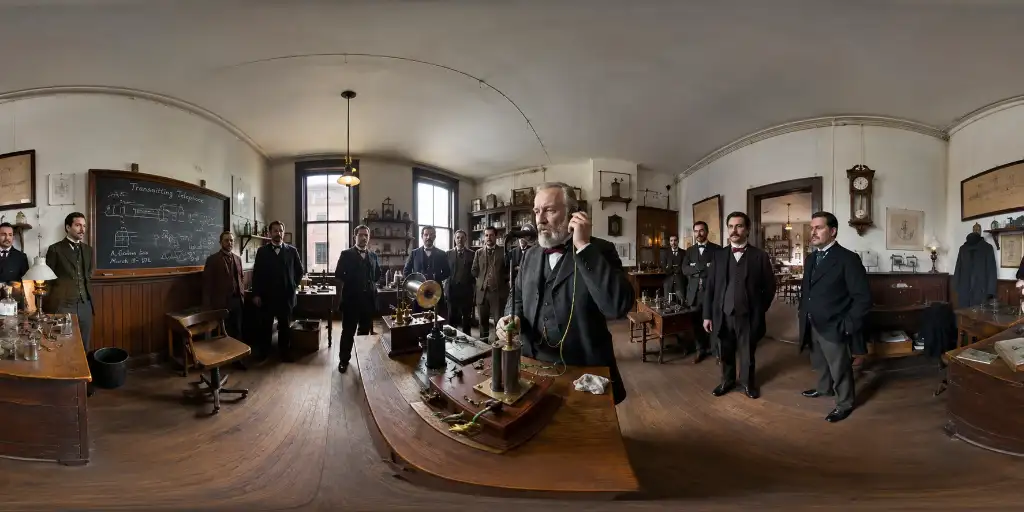
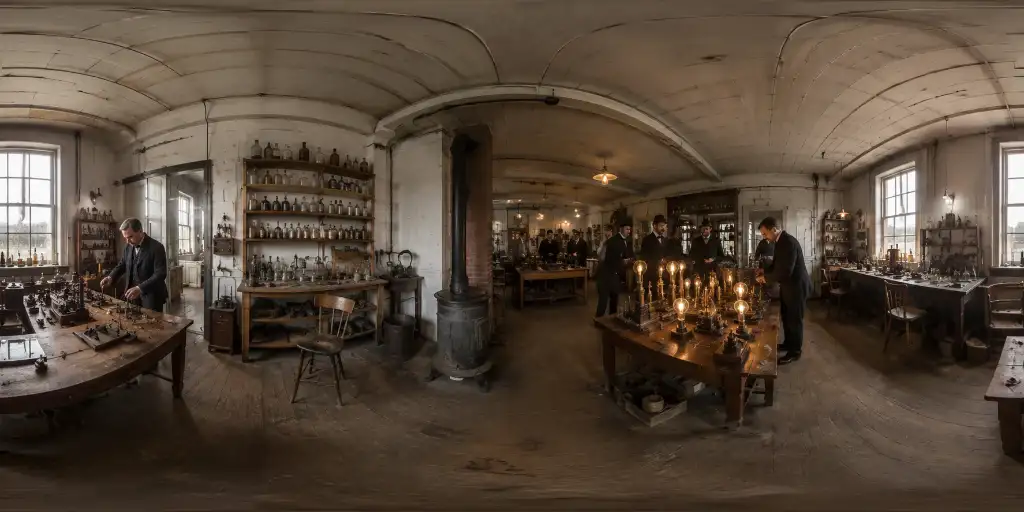
In a laboratory filled with wires and tools, Thomas Edison stood over his latest invention. Before him lay a metal cylinder covered with a thin layer of tin. Edison, known for his tireless work and ingenuity, was about to show the world something no one had ever seen or heard before. The phonograph, a device capable of recording the human voice, was ready for its first test.
Edison turned the crank and spoke a simple nursery rhyme into the device: "Mary had a little lamb." After completing the recording, he turned the crank back, and the room was filled with the sound of his own voice emanating from the metal cylinder. Those present were astonished—for the first time in history, the human voice had been captured and played back. The phonograph indeed worked, although the sound was initially distorted and quiet.
This success opened the door to new possibilities. The phonograph became the foundation for the development of the music industry and later radio broadcasting. Although the first models were clumsy and had limited sound quality, Edison's invention changed the way people perceive and preserve sound. The phonograph laid the groundwork for future sound technologies that we take for granted today.
Where it happened
Coordinates: 40.5187, -74.4121 · View larger map
FAQ
In what year did Thomas Edison Introduces the Phonograph happen?
It happened: 1877.
What was Thomas Edison Introduces the Phonograph?
Invented by Thomas Edison in 1877, the phonograph was the first device capable of recording and reproducing sound.
Where can I try Thomas Edison Introduces the Phonograph?
On HistoryGuesser — explore a 360° scene and guess where in the world and in what year it happened.
What you'll see here
In the game you stand right at this place in a 360° panorama and guess where and when the event happened.
View in 360° →